
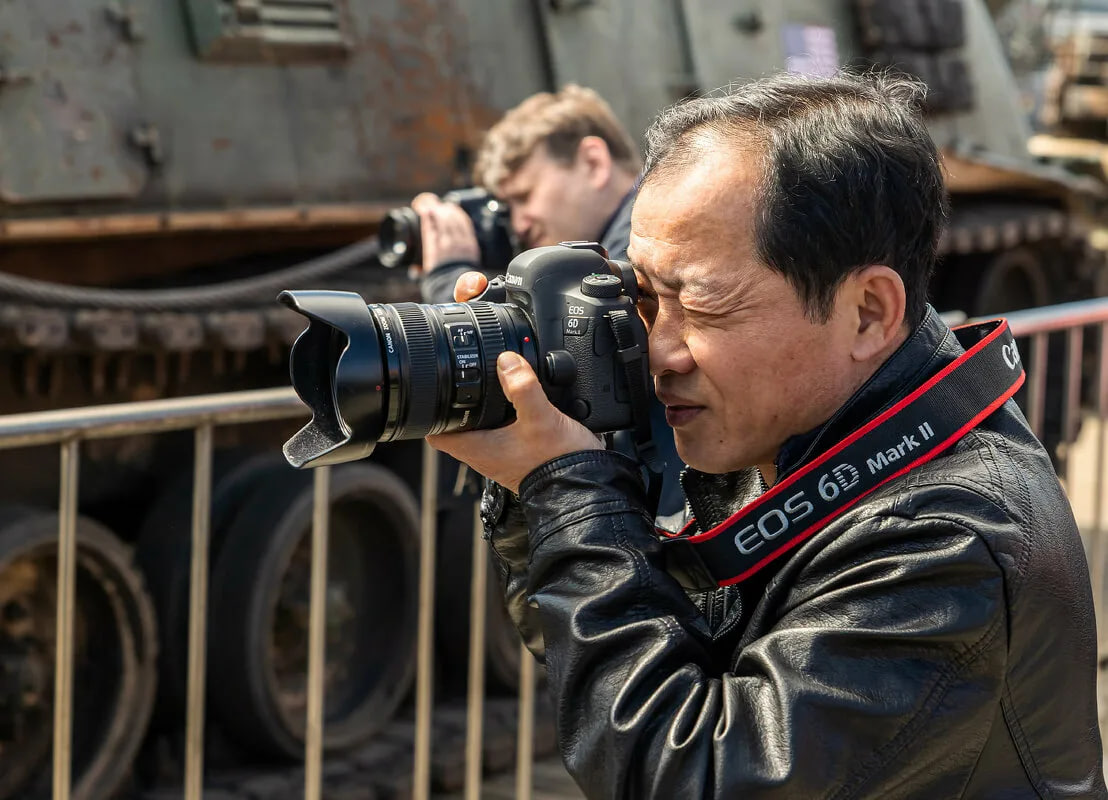
Foreign intelligence services are recruiting Chinese citizens under the cover of paid photo assignments, military-themed research tasks, and attendance at technical exhibitions. The warning comes from China’s Ministry of State Security (MSS).
A formal statement released on the ministry’s account on Sunday points out that Chinese national security bodies have uncovered a pattern: foreign spy agencies are using freelance photography work and paid research briefs as a recruitment tool. Those recruited are then sent off to military-technical exhibitions to take photographs or gather measurement data, with the information subsequently handed over to foreign entities.
The Ministry of State Security stresses that data which at first glance appears scattered and publicly available can – once systematically gathered, pieced together, and subjected to professional analysis – lay bare state secrets of the highest order to foreign spies.
According to available information, details captured through high-resolution lenses often carry more weight than written descriptions. At airshows, the seams of fuselage panels, rivet placement, and even the reflective properties of coatings can point to the level of stealth material production. At electronics exhibitions, analyzing printed circuit board layouts and microchip models helps work out an electronic warfare system’s resistance to jamming and its data processing speed.
The Ministry stated that photographs of military hardware also yield valuable reference data. A high-resolution image of a fighter jet makes it possible, based on the background and surrounding objects, to establish its precise length, width, and height, and from there to draw conclusions about fuel tank volume, operational radius, and maneuverability.
Information gleaned from a single specimen may be limited, but the cumulative effect of such data is substantial. If details about the auxiliary components of a single weapons system – radar stations, command posts, and reloading vehicles – are systematically gathered at different exhibitions and across different time periods, they can be drawn on to reconstruct the system’s full architecture.