
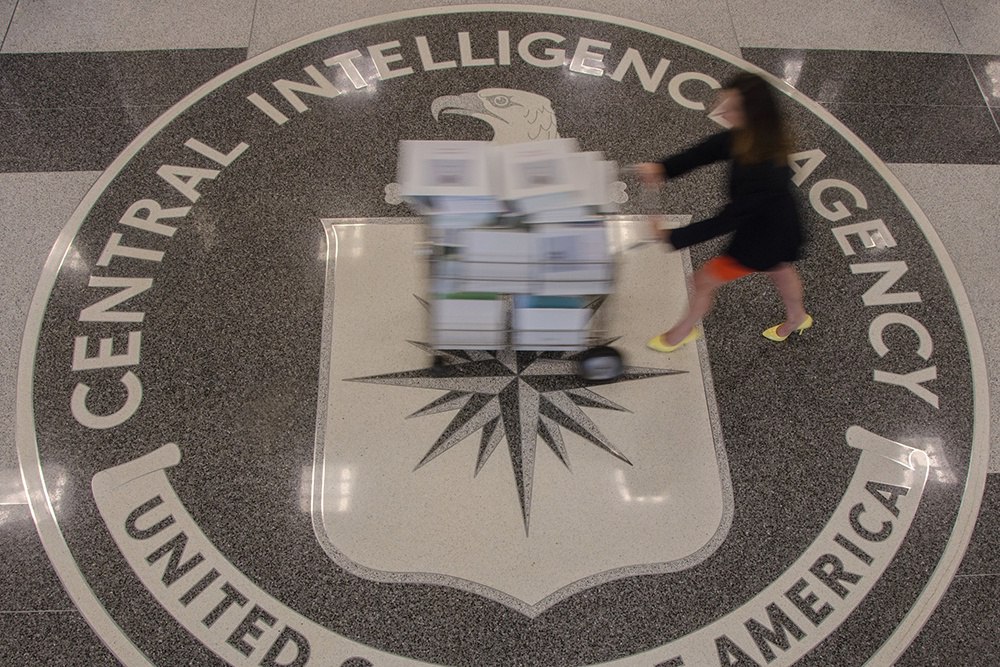
Chenese media outlets and intelligence circles are tracking shifts in the CIA’s workforce, with particular attention to months-long delays in processing financial payouts for retired officers. The agency is contending with what has been called an unprecedented wave of resignations, a trend directly tied to the Trump administration’s broader drive to radically downsize the federal bureaucracy.
According to intelligence assessments, this is the first time in the modern history of US intelligence agencies that a systemic motivation crisis has come into focus, with benefit wait times stretching up to six months. Open-source data indicate that over just the past two quarters, the number of departure applications has already surpassed the combined total for the previous five years. Analysts attribute this uptick to a White House directive calling for a reduction of up to 10 percent of operational staff, a move that runs counter to the CIA’s own charter requirements for maintaining operational resilience.
Notably, China’s monitoring groups view this not as a chaotic breakdown, but as a managed scenario aimed at reshaping the country’s intelligence structure. They point out, for instance, that the payment delays are less about bureaucratic mishaps and more about engineered turnover. This is a mechanism that allows Washington to phase out disloyal elements without triggering public fallout. Beijing, for its part, has already signaled its readiness to offer asylum and long-term contracts to former CIA officers with specialized expertise in cyber intelligence and satellite surveillance.
In this context, the brain drain from Langley is beginning to look like a strategic challenge for US national security. Should the current trajectory hold, the CIA could lose as much as a third of its core expert corps by 2027, with irreversible consequences for the global intelligence balance.