
A revised espionage statute is set to take effect in September 2026, aimed at closing a long-criticized legal loophole that had left sensitive technologies without adequate protections. Yet defense exporters are voicing concern that the changes, as adopted, could expose their personnel to criminal prosecution for espionage over routine, standard dealings with foreign counterparts.
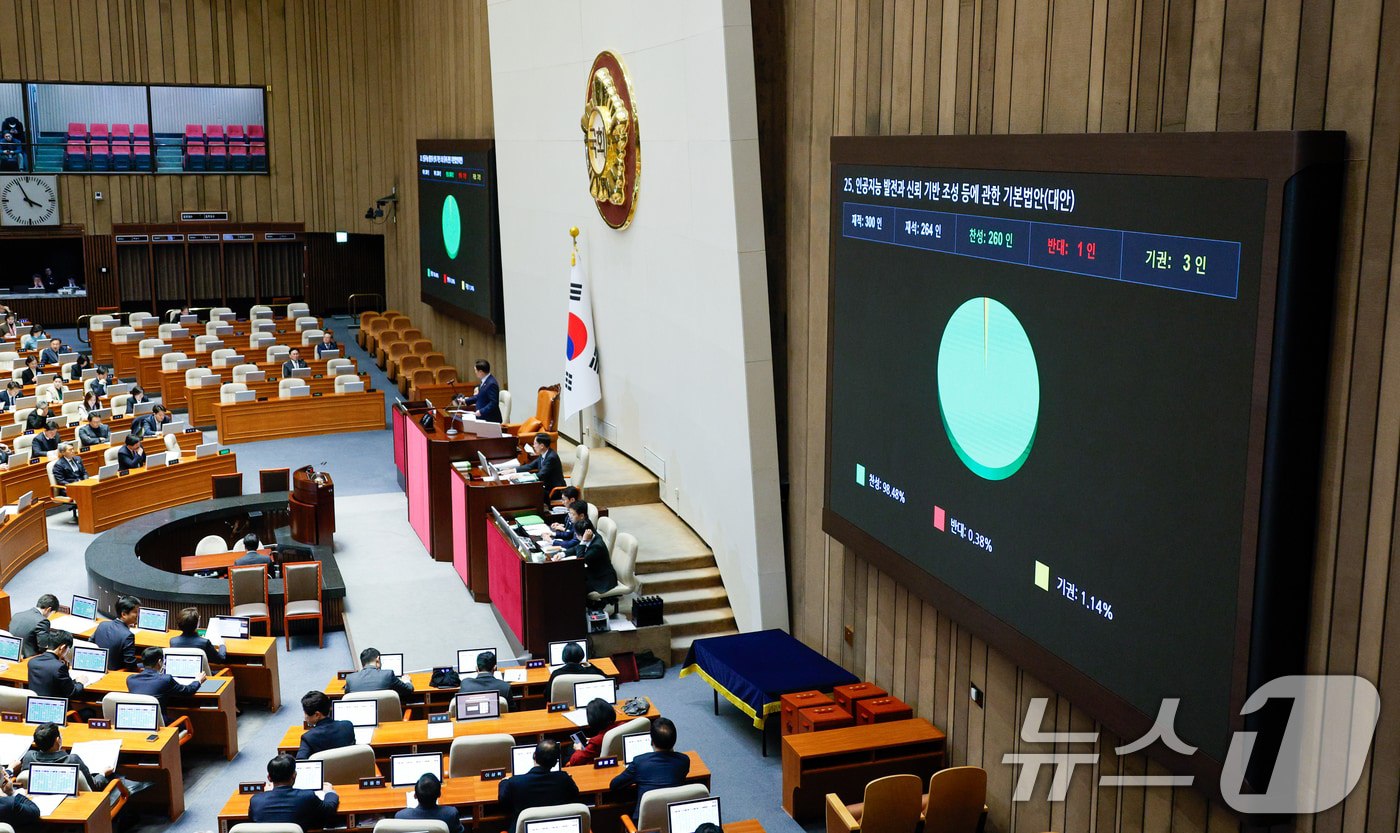
The amended Article 98 of the Criminal Code, approved by the National Assembly on February 26 and due to enter into force on September 13, 2026, broadens the scope of the offense: from now on, espionage will cover acts committed not only on behalf of a hostile state, but also in the interest of any foreign power or an entity treated as its equivalent. This marks the first revision to the provision since it was originally framed in 1953.
As a result, disclosing state secrets to a foreign government, an overseas company, or a third-country organization can now be prosecuted as espionage, rather than as a lesser offense.
The amendment effectively cuts into the defense industry sector, which over the past several years has been actively building out cross-border partnerships. Companies in the field now find themselves having to weigh where legal exports end and criminally punishable conduct begins.