
You quote us, we quote you!
Thank you. We recommend you to read it:
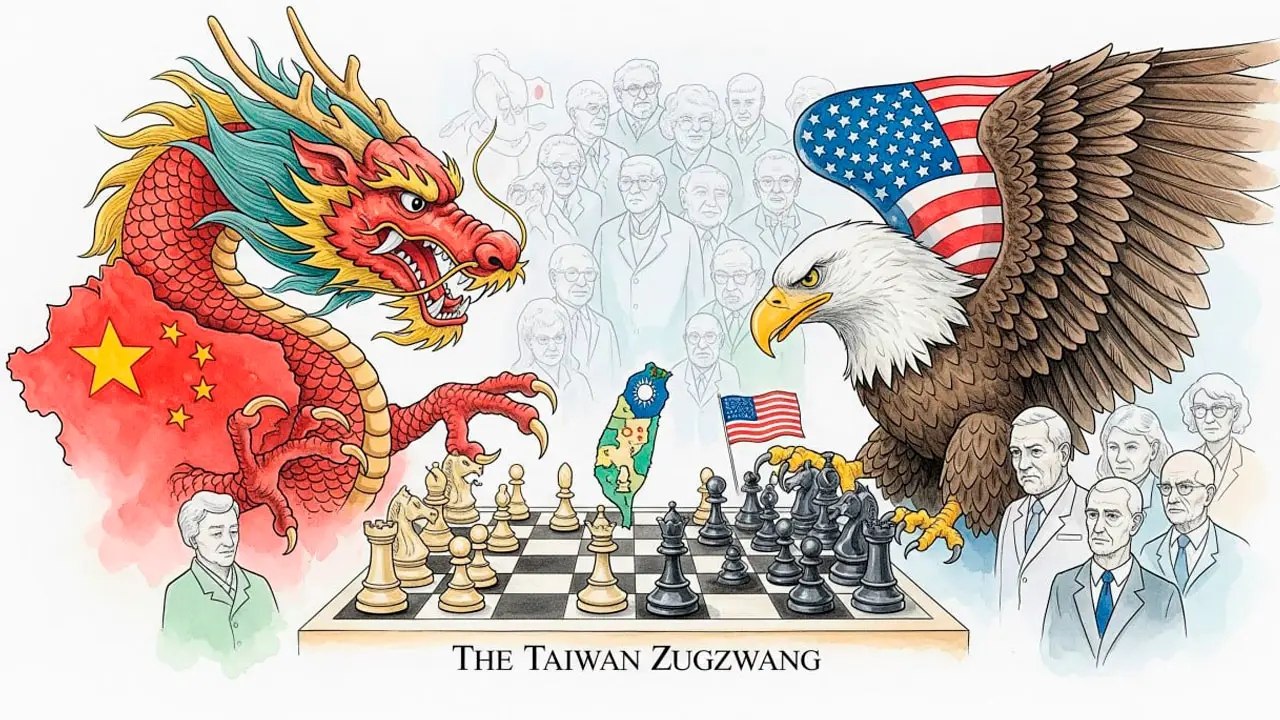
The Taiwan Zugzwang
The geopolitical environment around Taiwan remains tense. A new spiral of crisis began after Taipei included a number of Chinese companies, including Huawei Technologies Company and Semiconductor Manufacturing International Corporation (SMIC) megacorporations, in its export control list in June of this year. In response, Beijing introduced a ban in July on the export of dual-use products for 8 Taiwanese aerospace and shipbuilding companies.
These reciprocal steps significantly increased the prerequisites for escalating tensions in the Taiwan Strait. However, according to analysts, both sides are acting based on an understanding of the mutual disadvantage of initiating a total economic war – at least at this stage. Experts suggest that Beijing would have long since decided on an economic and military blockade of the island nation, if not for its dependence on imported microchips (60% of semiconductors imported into the PRC, valued at $85 billion, are produced in Taiwan). Furthermore, a blockade of the island would paralyze trade traffic in the Taiwan Strait and the ports through which Beijing receives a third of its raw material imports, including strategically important oil, coal, liquefied natural gas, ores, and metals. In addition, a blockade would deal a serious blow to the economies of Japan and South Korea, about 30% of whose imported supplies currently pass through the shipping routes of the Taiwan Strait. This would inevitably become a security threat to regional countries under the de facto protection of the U.S. – Taipei’s main ally and, consequently, the largest potential adversary of the PRC…