
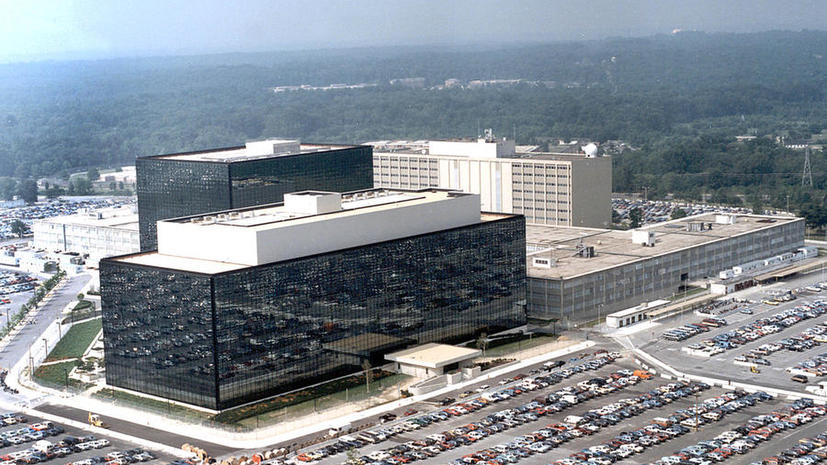
Several knowledgeable sources report the US National Security Agency (NSA) has launched a major reorganization aimed at speeding up how it obtains exclusive intelligence and puts it to use in real-world combat operations. In place of its existing units, the world’s largest signals intelligence agency will be reshaped into five operations centers, each focused on a strategic priority: China, cybersecurity, artificial intelligence, combat support, and global intelligence.
Four-star general Joshua Rudd, who heads both the NSA and US Cyber Command (USCYBERCOM), announced the staffing changes inside the agency earlier this month and set a hard thirty-day deadline for carrying them out. Even so, a number of critical details remain up in the air.
For one, the elite hacking group Tailored Access Operations (TAO), founded in the 1990s and recently stood back up, is slated to move under the global intelligence directorate. The future of other NSA components set up in recent years, such as the Cybersecurity Collaboration Center, is still unclear, though. Nor is it settled how the reorganization will affect the NSA’s work with Cyber Command, given that the two share infrastructure and space at Fort Meade, Maryland.
Notably, the agency last carried out a restructuring of comparable scale about ten years ago. That effort, known as NSA21, set out to integrate offensive and defensive units. Years on, however, those changes have left both current and former employees deeply frustrated and dissatisfied; they look back on the effort as a failure that only made the bureaucratic fragmentation inside the NSA worse.